
Seasonal
Halloween with a dog or cat: costumes that fit, candy out of reach, and the doorbell
Three things are worth thinking about before Halloween: a costume that fits, candy kept out of reach, and a front door that keeps opening all evening. All three are easy to plan for.
5 min read
On this page
We sell Halloween costumes, so it is a little awkward that the best advice on them starts with a no. The ASPCA recommends not putting your dog or cat in a costume at all unless you know they love it. For some pets, wearing one is simply stressful.
That still leaves plenty of pets who don't mind, and owners who want the photo. Here is how to find out which kind you have, and how to get through the night itself: the candy, the candles, and the doorbell.
Try it on first, well before the night
The ASPCA's advice is to have your pet try the costume on before Halloween, and if they seem distressed or start behaving oddly, to skip it. A festive bandana, or nothing at all, is a perfectly good costume.
Our advice, not the ASPCA's: give it a few short sessions at home with treats, and take it off while your pet is still calm. Shipping within the US can take up to 12 days, so if you are ordering, order early enough to leave time for this.
The fit checks
If your pet is happy in it, check the fit. The ASPCA's test is that a costume must not limit your pet's movement, sight, or ability to breathe, bark or meow. The checks below are ours, built on that.
- They can walk, sit, lie down and turn around normally
- Nothing covers or slides over the eyes, including hats and hoods
- Nothing is tight around the neck, chest or muzzle
- No small, dangling or easily chewed-off pieces that could be swallowed
- Nothing loose enough to twist around your pet or catch on furniture
The ASPCA also warns that ill-fitting outfits can get twisted on objects or on the pet and cause injury. Our own rule, not the ASPCA's: take the costume off before you leave your pet alone, even for a few minutes.
Our costumes, and what to check on each
Bat wings. The bat wing costume is the least costume of the lot: black felt wings on adjustable hook-and-loop straps at the neck and chest, with a reinforced chest band. One size, adjustable, for cats and dogs. Nothing covers the head or legs, which makes it the one we would try first on a pet you are not sure about. Check the straps sit snug but not tight.
Pumpkin sweater. The pumpkin sweater is a soft cloth, pull-on turtleneck for dogs, in S, M, L and XL. It is really a sweater with a pumpkin print, and its page says it is comfortable for everyday wear, not just one night. Check that the neck isn't tight and that the front legs move freely.
Wizard cape and hat. The wizard set is a cloth cape and hat for cats and small dogs, in S, M and L. A hat can slip, so check it stays off the eyes, and take it off if your pet keeps pawing at it.
Spider. The spider costume is a lightweight black body with eight legs, sized S and M for small to medium cats and dogs. The legs are the thing to watch: make sure your pet isn't chewing them, and that they don't catch on furniture as your pet moves around.
Candy stays out of reach
The ASPCA notes that kids love to hide candy in their rooms, but that a dog's keen nose will find even the most cleverly hidden stash. It says several popular Halloween treats are toxic to pets, and names two in particular.
- Chocolate. Chocolate in all forms, especially dark or baking chocolate, can be very dangerous for cats and dogs, according to the ASPCA.
- Xylitol. This sweetener, also known as birch sugar or wood sugar, is often used in sugar-free candy, gum and mints. The FDA explains that in dogs it can trigger a fast release of insulin and a sudden, dangerous drop in blood sugar, which can start within 10 to 60 minutes. Signs include vomiting, then weakness, staggering, collapse or seizures, though the FDA notes serious effects may not appear for 12 to 24 hours in some cases.
Keep the candy bowl and trick-or-treat bags in a closed cupboard or a room your pet can't get into, and tell the children why. A high counter is not enough: the FDA notes that some dogs are adept at counter surfing. It also says xylitol turns up in less obvious places, including some peanut and nut butters, so check the label before you use one to fill a treat toy.
If you think your pet has eaten chocolate, xylitol or anything else toxic, call your vet or the ASPCA Animal Poison Control Center at (888) 426-4435 right away.
Candles, pumpkins and cords
A lit jack-o'-lantern at tail height is easy to knock over. The ASPCA warns that pets can knock over a lit pumpkin and start a fire, and that curious kittens are especially at risk of being burned or singed by a candle flame. A battery-powered light inside the pumpkin removes the open flame. Keep cords from lights and decorations out of reach of paws, too.
The doorbell
The ASPCA suggests keeping all but the most social dogs and cats in a separate, comfortable room away from the front door during the busiest trick-or-treating hours. Visitors, strangers in costumes and a door that keeps opening can be frightening, and an open door is also a way out.
Make the room a good place to be. The ASPCA suggests favorite toys: a chew or a food puzzle for a dog, interactive toys for a cat.
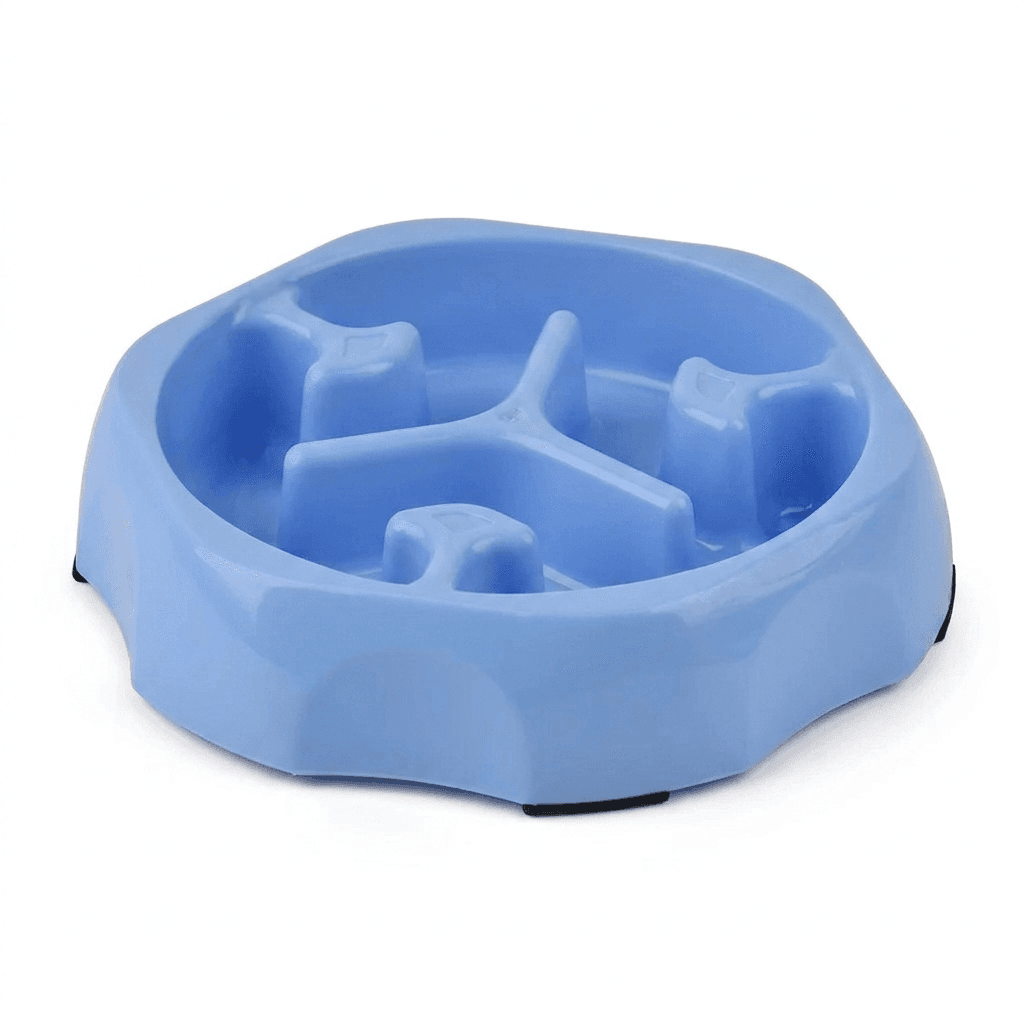
- For a dog: our Slow Feeder Dog Bowl can also be used as a lick bowl, and its page lists wet food and yogurt as suitable. Check the label for xylitol before you fill it.
- For a cat: the catnip toy 3-pack is three plush toys, a ghost, a bat and a pumpkin, light enough to carry and toss on their own.
If your dog comes trick-or-treating
The ASPCA points out that on Halloween there are a lot more people on the streets than usual, and the crowds and costumes can spook a pet into bolting. If your pet goes out after dark, it recommends a reflective collar, a secure leash and proper identification.
Being seen helps. Our Rechargeable LED Glow Collar lights up in three modes, charges over USB, and comes in three sizes and eight colors. It is not a substitute for the ASPCA's list: the ID tag and the leash still do the important work. Charge it fully before the first use and avoid submerging it in water, as its care notes say.
And if your dog clearly isn't enjoying it, go home. The candy is for the children anyway.
Sources
About this piece. We sell some of the things mentioned here, and we have tried to be straight about when they are not the right choice. Health and safety points follow the sources above. They are general guidance, not veterinary advice about your pet: if something seems wrong, ask your vet.
In this piece
The things we mention
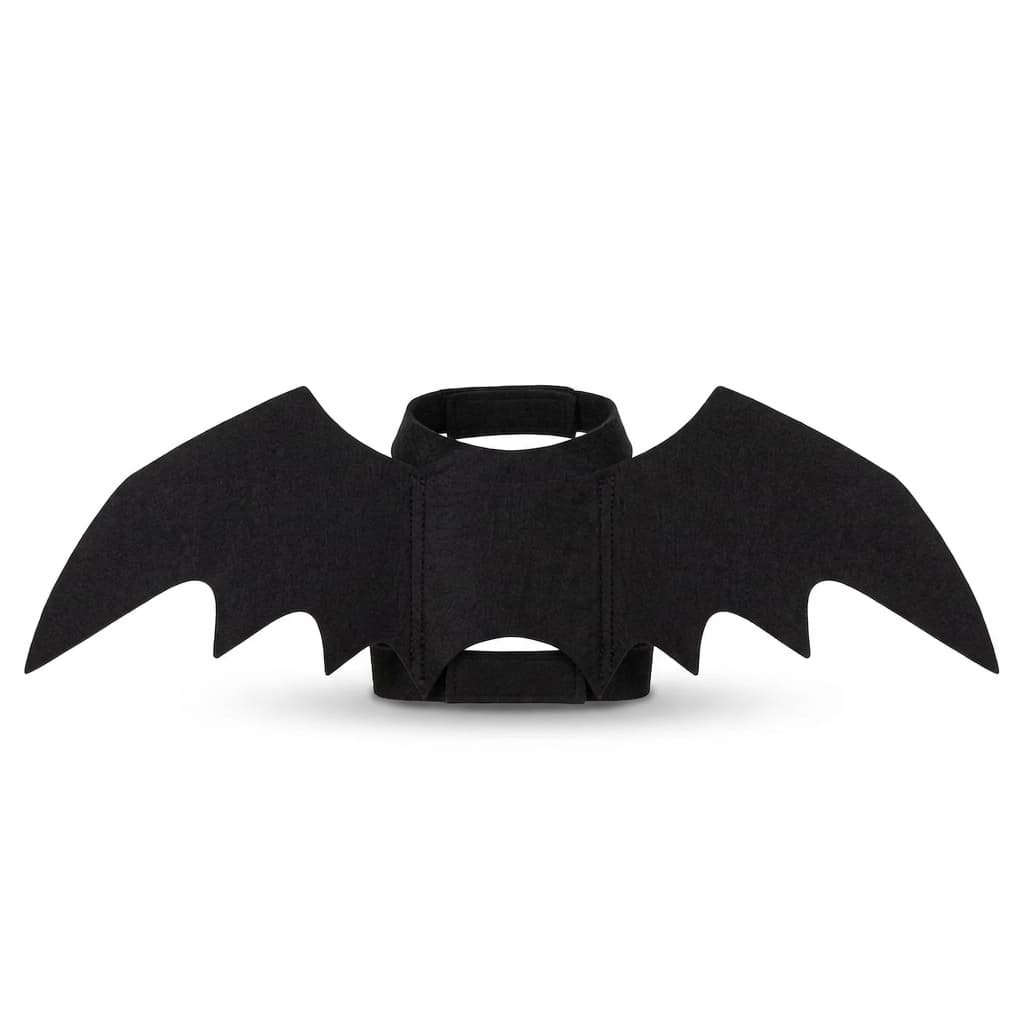 Bat Wing Halloween Costume for Cats & Dogs, Soft Adjustable Felt WingsView product
 Pumpkin Sweater Halloween Costume for Dogs, Soft Turtleneck PulloverView product
 Wizard Cape & Hat Halloween Costume Set for Cats & Small DogsView product
 Spider Halloween Costume with 8 Legs for Cats & Dogs, LightweightView product
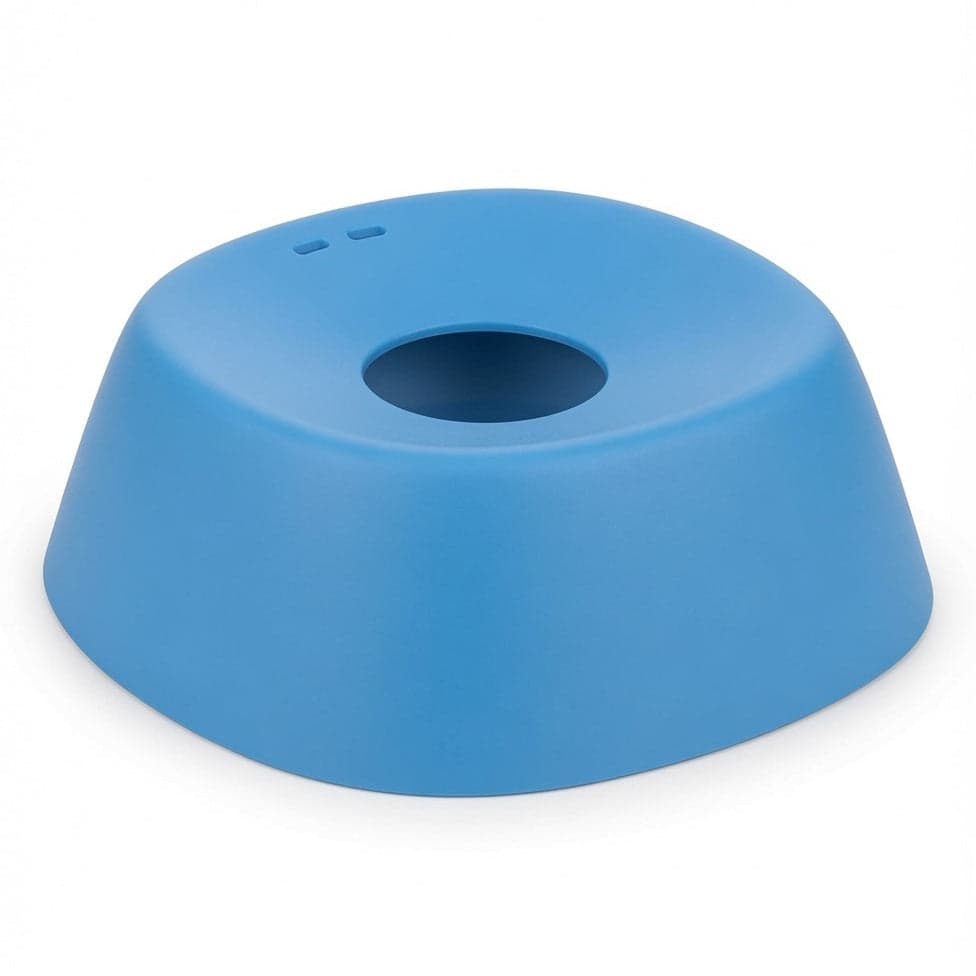 Slow Feeder Dog Bowl – Slower Mealtimes with Non-Slip Silicone BaseView product
 Halloween Catnip Cat Toy 3-Pack, Ghost Bat & Pumpkin Plush SetView product
 Rechargeable LED Glow Dog Collar - USB, 3 Light Modes for Night WalksView product
Keep reading
More from the journal
Feeding6 min read
Dog eating too fast? What a slow feeder bowl does, and what it doesn't
Some dogs empty the bowl before you have straightened up. A slow feeder can slow the eating down. Neither Tufts nor ACVS says it prevents bloat, and it helps to know that before you buy one.
Behavior5 min read
How to stop a cat scratching the furniture (without trying to stop the scratching)
You can't stop a cat scratching, and you shouldn't try. You can change where it happens, and that comes down to what you offer, where you put it, and a little patience.
Home5 min read
Litter all over the floor? How to set up a litter box area that stays tidy
Litter tracking is partly a housekeeping problem and partly a cat problem. Most of the fixes are small changes. A couple of the popular ones make a cat less likely to use the box at all.