
Home
Litter all over the floor? How to set up a litter box area that stays tidy
Litter tracking is partly a housekeeping problem and partly a cat problem. Most of the fixes are small changes. A couple of the popular ones make a cat less likely to use the box at all.
5 min read
On this page
Litter gets out of the box in two ways. Some of it is kicked out, when your cat digs and covers. The rest is carried out, stuck between the toes and in the fur of the paws, and dropped a few steps later, or across the hall, or in your bed.
You can cut down on both. The catch is that several of the obvious fixes, like a hood on the box, a deep layer of litter, or a switch to a coarser litter, are exactly the changes that put some cats off using the box. So this is about keeping the litter in without giving your cat a reason to go somewhere else.
What cats want from a litter box
Start with what your cat needs, because a tidy floor is no use if the cat starts avoiding the box. The ASPCA and the Cornell Feline Health Center agree on most of it:
- Clean. Scoop at least once a day. The ASPCA also suggests a full change once a week, washing the box with warm water and unscented soap or baking soda, or with no soap at all, because a cat can take against a scented cleaner.
- Shallow. Most cats prefer litter one to two inches deep, not three or four.
- Unscented, and usually clumping and medium to fine. The ASPCA says most cats prefer that, and Cornell says most prefer unscented, finer-textured litter.
- Open. Most cats don't like hoods or liners. Cornell explains it this way: people like covered boxes for keeping in odor and stray litter, but from the cat's point of view, a cover holds the odor in with her.
- Big enough, with sides they can manage. Larger cats need bigger boxes. Kittens, older cats and cats with stiff joints need low sides.
- Enough of them. One box per cat, plus one.
- In the right place. Quiet but not cornered, with a view of anyone approaching and more than one way out. Away from the food bowls, and away from loud spots like the washer and dryer.
Look at that list again with tracking in mind. A shallow layer helps: it is less litter to kick out. The two points that may work against you are the open box and the fine litter, and those are the two to leave alone. Finer grains may be easier for paws to carry, but fine litter is what most cats want, and Cornell says that if you do change litter, you should do it gradually, mixing the new into the old.
Catch it at the exit: a litter mat
Since the box stays open and the litter stays fine, the fix goes on the floor. A litter mat's job is to be where your cat's first few steps land, so the litter drops there instead of down the hall.
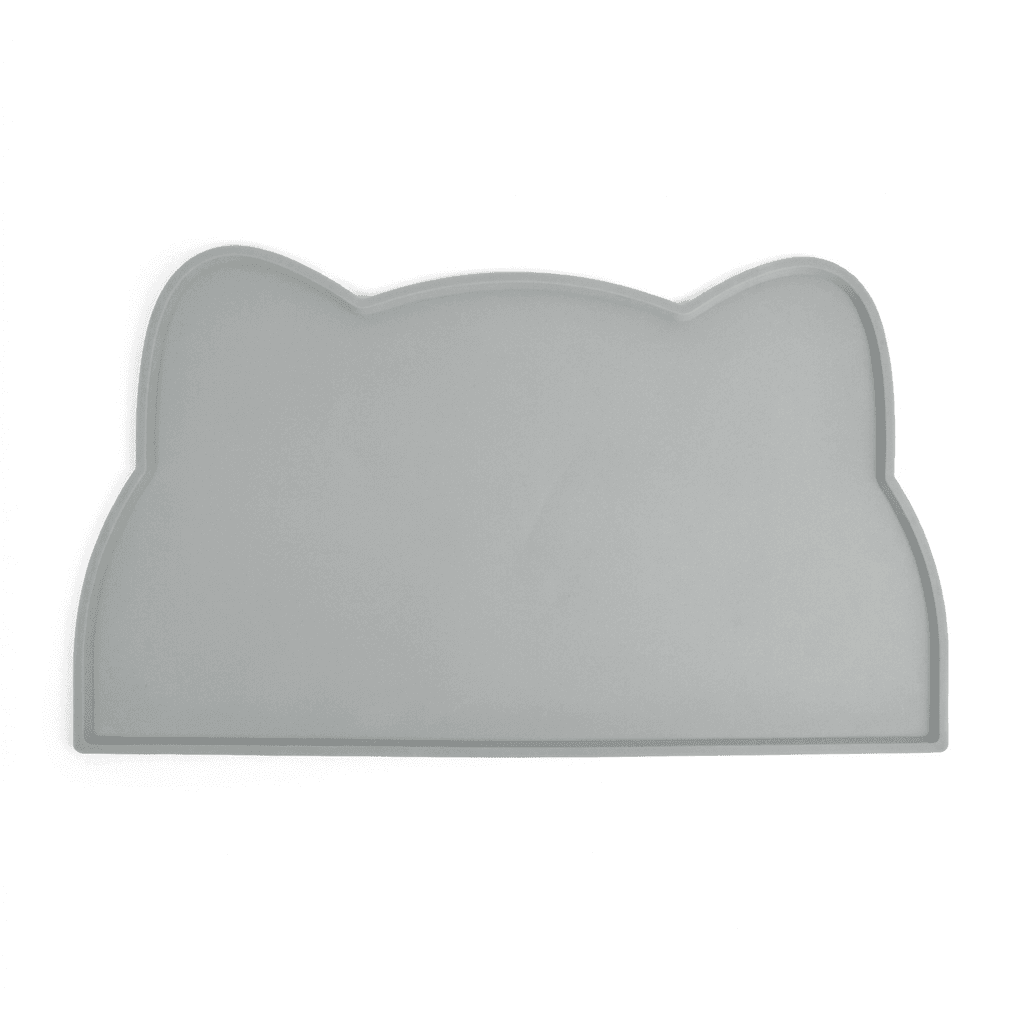
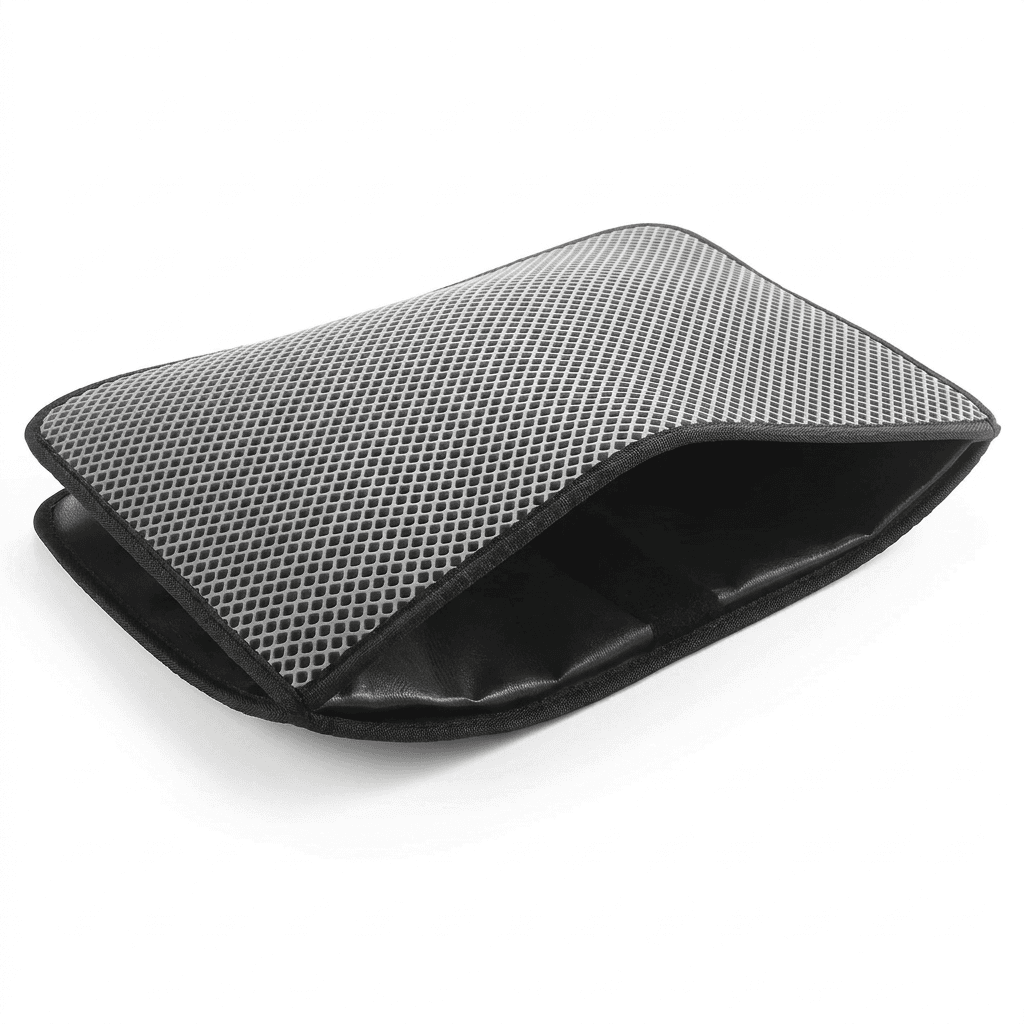
Our Double-Layer Cat Litter Mat is silicone, waterproof and washable, with a double-layer design that helps collect scattered litter. It comes in two sizes, 40 by 60 cm (about 16 by 24 in) and 50 by 70 cm (about 20 by 28 in).
Some notes on getting a mat to work:
- Size it to the exit, not the box. The mat should reach out far enough that your cat's first two or three steps land on it. If your cat has a large box, or jumps out in a long stride, go for the larger size.
- Put it in front of the way out. If the box sits against a wall, most of the traffic leaves by the open side. Put the mat there.
- Empty it often. A full mat is just litter spread out in a different place. Empty it into the trash, and rinse it when it needs washing.
Keep the box clean: a scoop that sifts
Scooping every day is the first item on the list above, because cats like a clean box, and a good scoop makes it quicker.
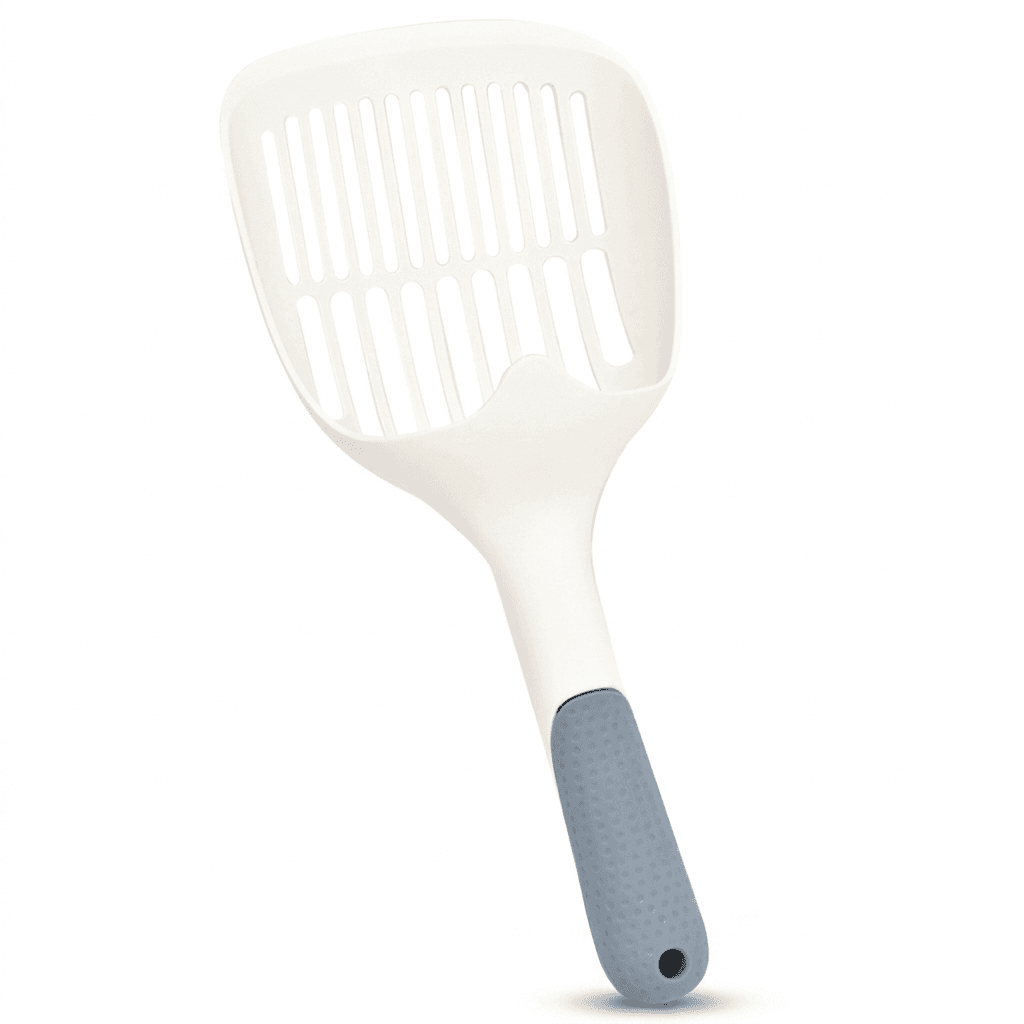
Our Large Cat Litter Scoop has a large head and a fine mesh. It helps separate waste from clean litter, and the clean litter sifts back into the tray, which helps reduce litter waste. It suits tofu litter and many other clumping types, and it rinses clean afterwards.
Scooping is also your daily look at what is going on in the box. The ASPCA stresses paying close attention to your cat's litter habits so you can spot problems early. More on that below.
Paws and fur
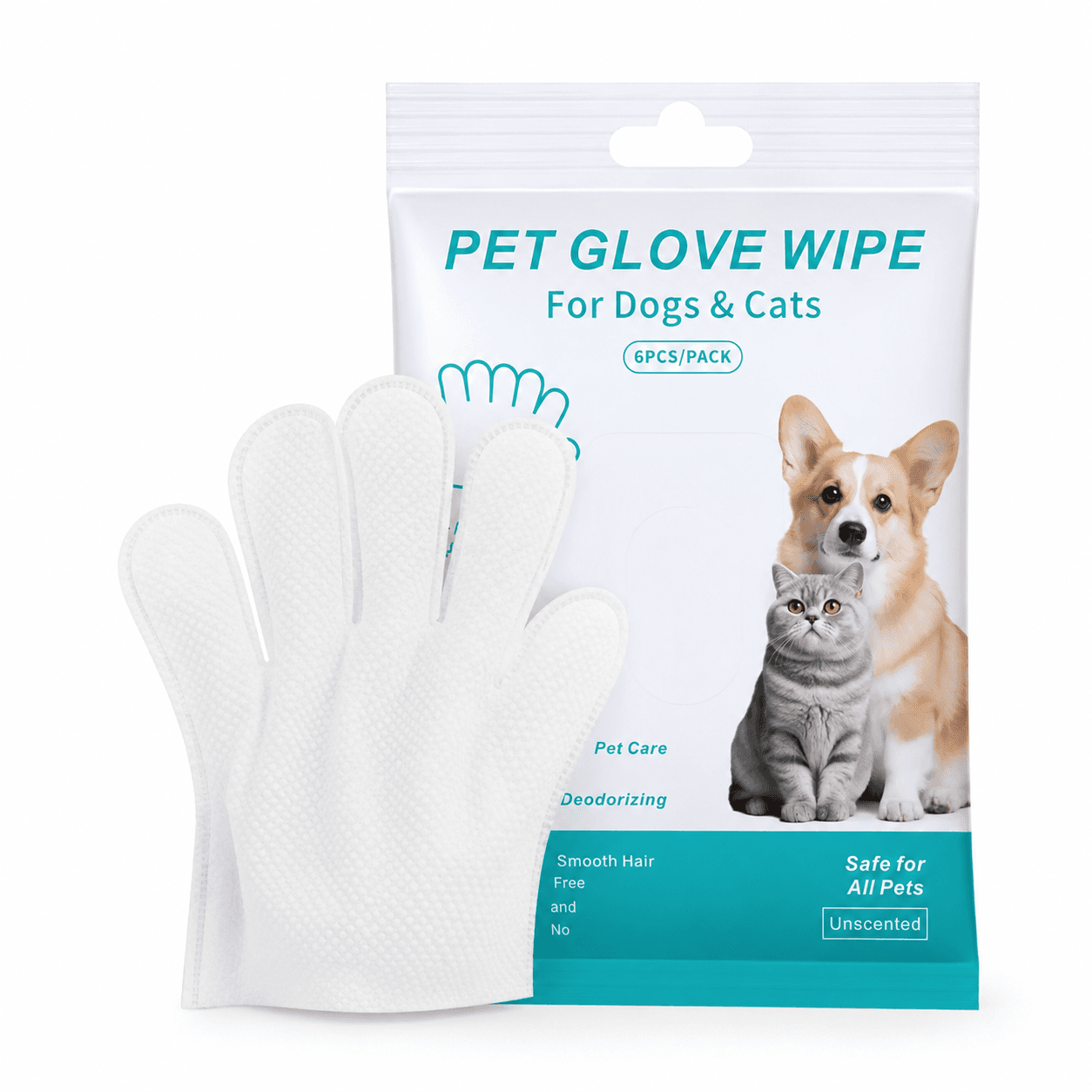
Litter can catch in the fur between the toes. For a quick clean, our grooming wipes are unscented and list paw cleaning among their uses. They are for external cleaning only.
The ASPCA adds one grooming point for long-haired cats that is about more than tidiness. If the fur on your cat's hind end gets soiled or matted, carefully trim it: matted fur that pulls when your cat uses the box can be painful, and can make a cat nervous of the box.
Fixes to skip
- A hooded box, just for the mess. It keeps litter in, but most cats don't like a lid.
- Deeper litter, to give them more to dig. Most cats prefer one to two inches, and more depth means more to kick out.
- A sudden switch to a coarser litter. Cornell notes that a recent, sudden change of litter can put a cat off the box. If you want to try one, mix it in gradually.
- Scented litter or cleaners to cover the smell. Most cats prefer unscented.
- A top-entry box for an older cat. The ASPCA notes that older cats and cats with physical limitations can struggle with top-entry and high-sided boxes.
When it isn't a housekeeping problem
Scattered litter is a nuisance. A cat going outside the box, or struggling in it, can be a medical problem, and Cornell notes that cats with medical conditions may not always act sick.
Call your vet if your cat keeps going in and out of the box and producing only small amounts of urine, strains, cries when trying to go, licks the area a lot, or you see blood in the urine. The ASPCA lists these among signs of urinary tract infection, cystitis, or stones or a blockage, and says feline interstitial cystitis can be life-threatening and must be treated by a vet immediately. Any cat that stops using the box consistently should be checked by a vet, before you start changing the setup.
Once your vet has ruled out a medical cause, the list at the top is where to start: cleaner, shallower, more boxes, better places. And if you are cleaning up an accident, use an enzymatic cleaner made for pet messes. The ASPCA and Cornell both warn against ammonia-based products. The ASPCA says urine contains ammonia, so an ammonia cleaner can draw your cat back to the same spot. Cornell also warns against vinegar: both smell like urine and can be irritating.
Sources
About this piece. We sell some of the things mentioned here, and we have tried to be straight about when they are not the right choice. Health and safety points follow the sources above. They are general guidance, not veterinary advice about your pet: if something seems wrong, ask your vet.
Keep reading
More from the journal
Out and about4 min read
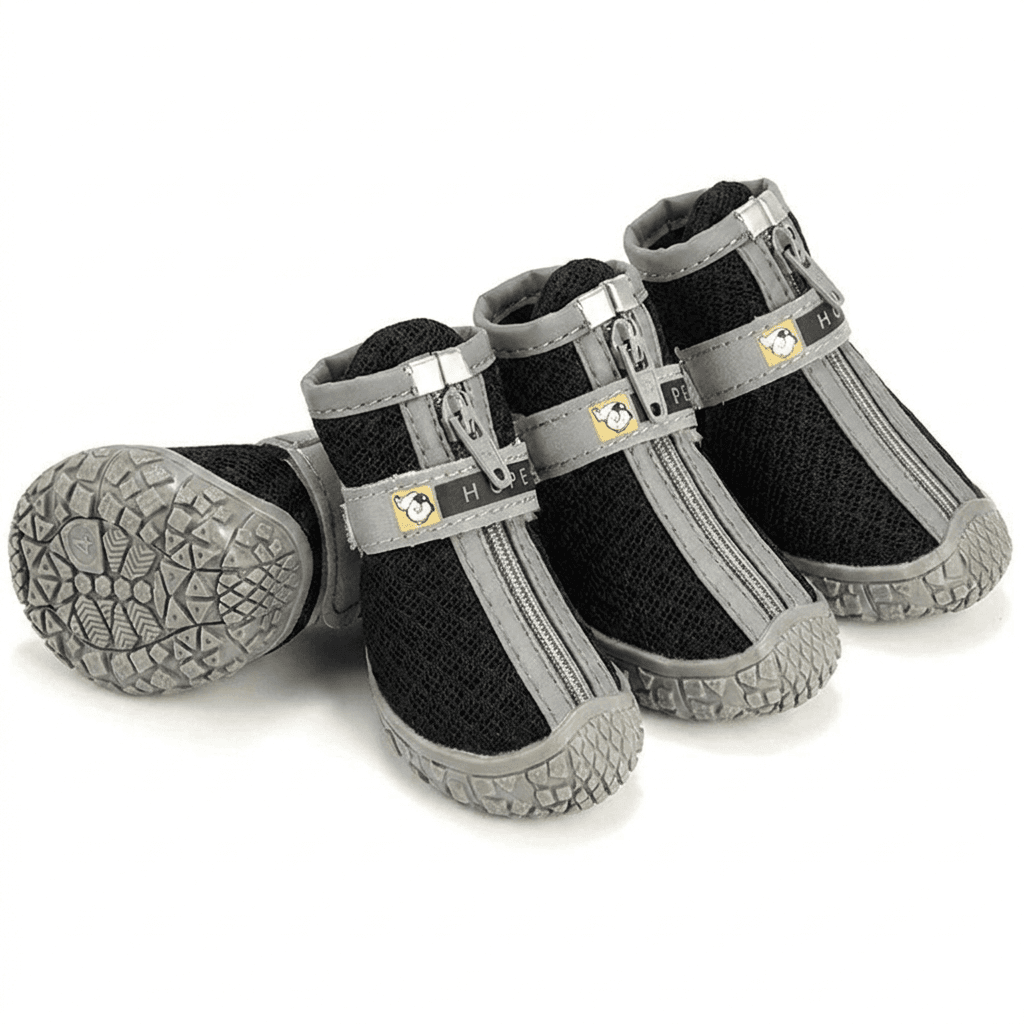
How to clean your dog's paws after a walk, and when boots are worth it
Most days it is just mud, and the only victim is the floor. In winter it is road salt and de-icing chemicals that your dog may lick off later, and that is the part worth taking seriously.
Seasonal5 min read
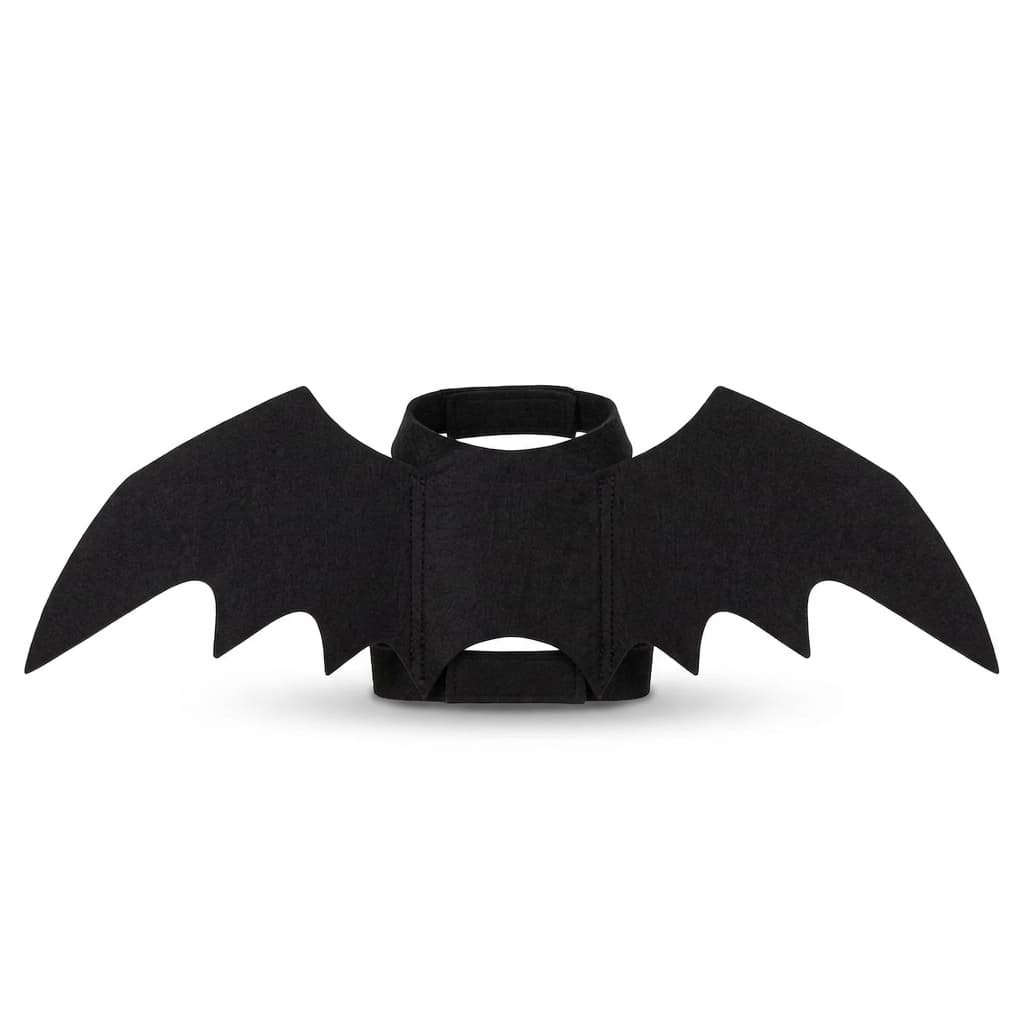
Halloween with a dog or cat: costumes that fit, candy out of reach, and the doorbell
Three things are worth thinking about before Halloween: a costume that fits, candy kept out of reach, and a front door that keeps opening all evening. All three are easy to plan for.
Feeding6 min read
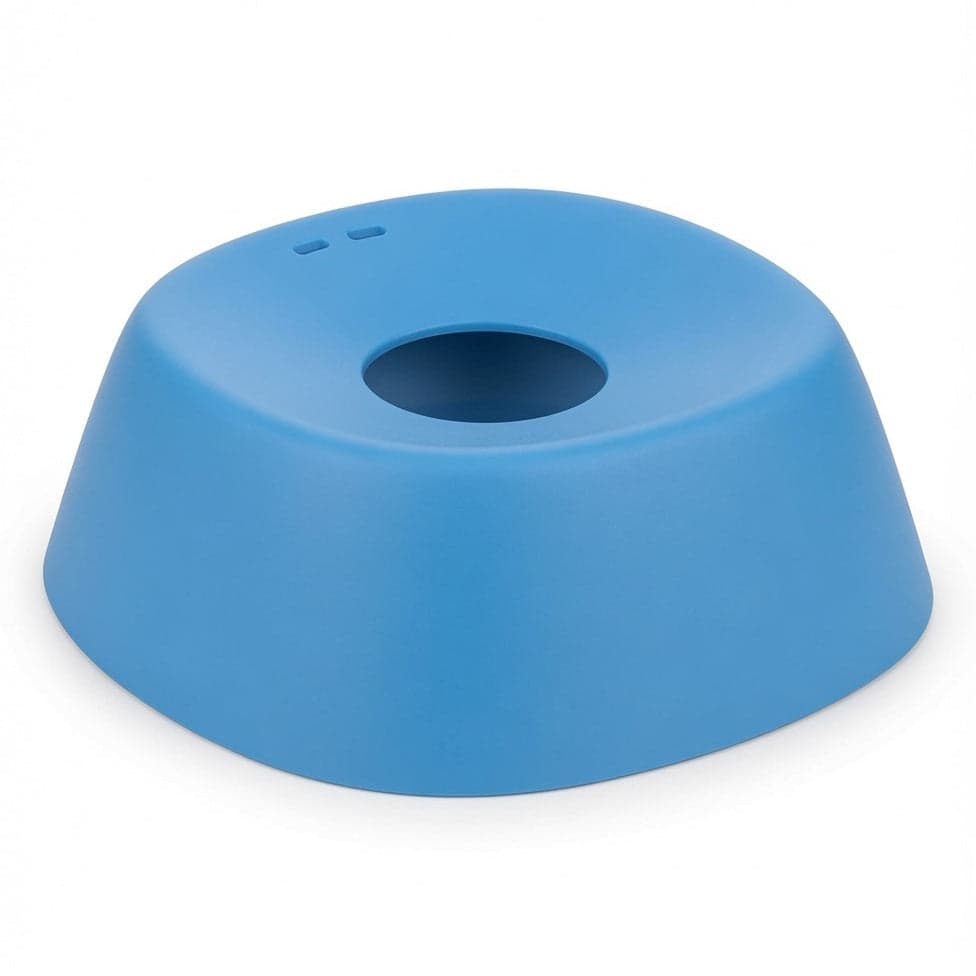
Dog eating too fast? What a slow feeder bowl does, and what it doesn't
Some dogs empty the bowl before you have straightened up. A slow feeder can slow the eating down. Neither Tufts nor ACVS says it prevents bloat, and it helps to know that before you buy one.