
Out and about
How to clean your dog's paws after a walk, and when boots are worth it
Most days it is just mud, and the only victim is the floor. In winter it is road salt and de-icing chemicals that your dog may lick off later, and that is the part worth taking seriously.
4 min read
On this page
Wiping paws at the door is mostly about the floor. Mud, sand and wet leaves go on the towel instead of the rug, and that is reason enough to make it a habit.
In winter there is a better reason. The ASPCA warns that walks can turn dangerous when chemicals from ice-melting products are licked off bare paws, and that cold, dry air and wet weather can leave paws chapped. A dog that walks on treated sidewalks and then settles down to lick its feet can end up swallowing some of what it walked through. A short routine at the door deals with it.
The routine at the door
- Wash. Each foot, including between the toes and pads, where grit and salt collect. In winter, the ASPCA's advice is to wash and dry your dog's feet and stomach after every walk, to remove ice, salt and chemicals. The belly gets splashed on wet sidewalks too.
- Dry. Properly, and as soon as your dog comes inside. The ASPCA says going back and forth between the cold and a warm home can cause itchy, flaking skin, and recommends towel drying straight away.
- Check. Look for cracks in the pads and redness between the toes, as the ASPCA suggests, and pull out any balls of snow or ice caught between the pads. If you find cracks or redness that doesn't clear up, ask your vet.
Keep everything in one place by the door. If the towel is upstairs, the routine won't happen.
Water, wipes and a towel
A bowl of water
Lukewarm water in a bowl or bucket and a towel is enough. Dip, rub gently between the toes, dry. It works; it is just slow with a wriggly dog, and it slops.
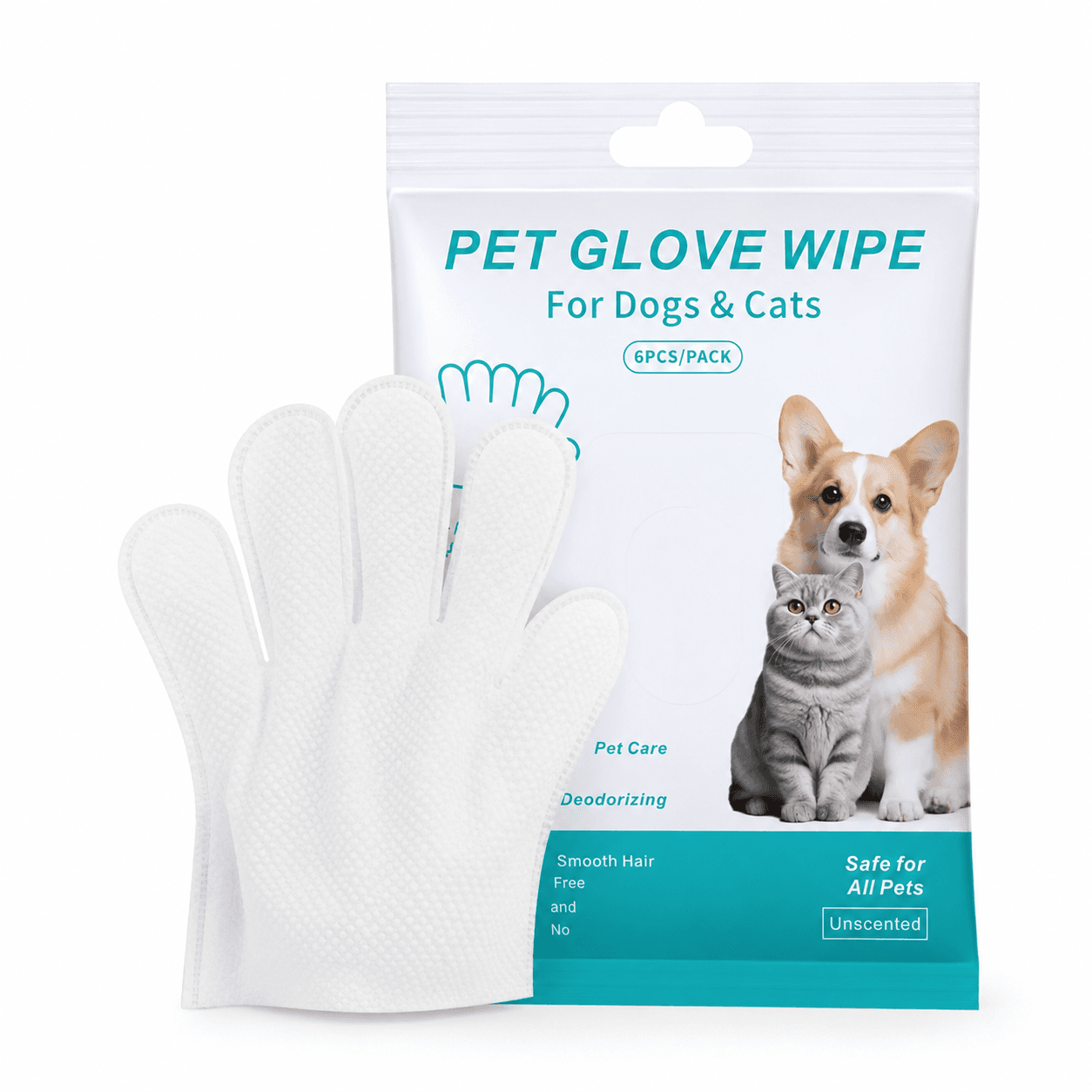
Wipes, for the car and the in-between days
Our grooming wipes are extra thick and unscented, and paw cleaning is one of the jobs they are made for. The listing is for six wipes, so keep them for the car, the coffee shop, or the day the mud is light. They are for external cleaning only, so keep them away from your dog's eyes and the inside of the ears. For winter salt and de-icers, follow the ASPCA and wash and dry instead.
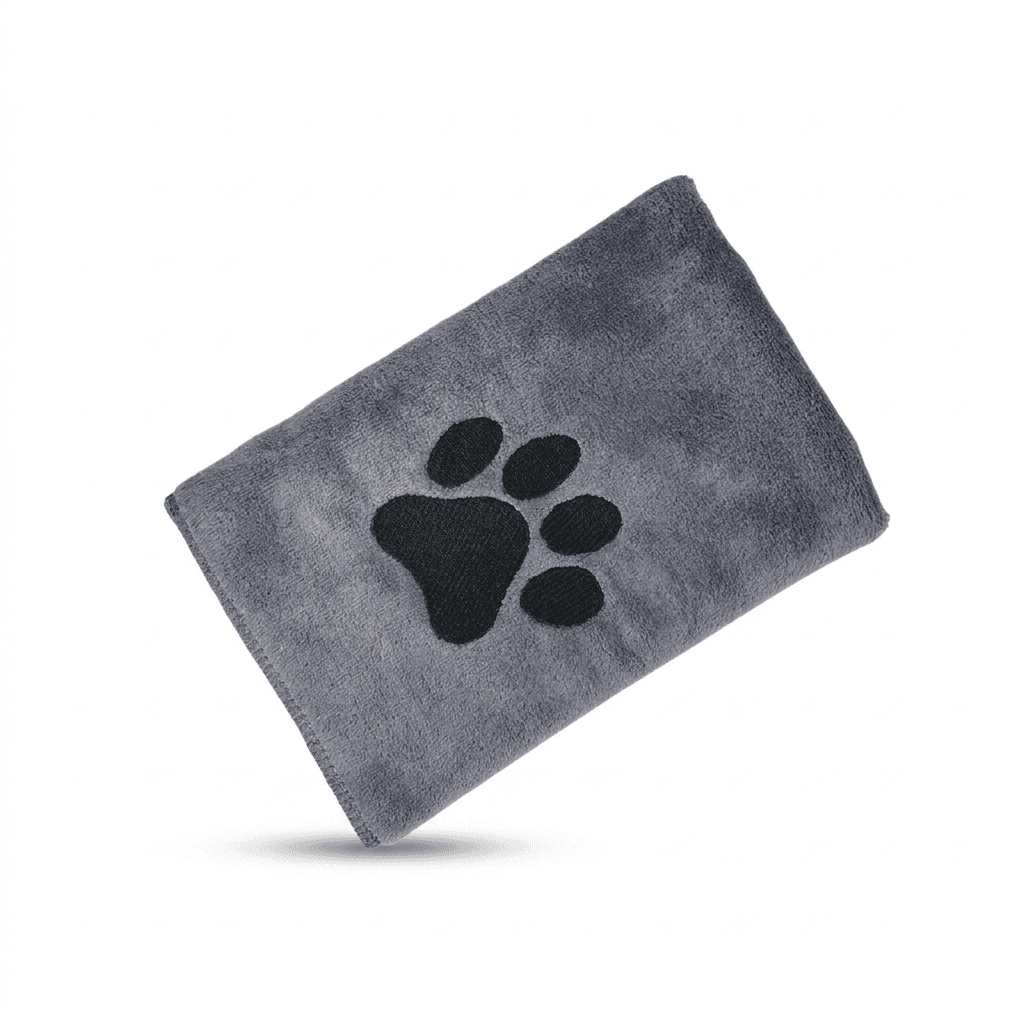
The towel
Our microfiber bath towel is lightweight, easy to fold, and made to be highly absorbent. It is machine washable, which it will need to be. Keep two, so one is always dry.
Winter: salt, de-icers and antifreeze
The ASPCA's cold weather list covers most of it:
- Protect before you go. Massage petroleum jelly or a vet-approved paw protectant into the pads before a walk, as a barrier against salt and chemicals.
- Use pet-friendly ice melt on your own steps and driveway where you can.
- Trim, don't shave. On long-haired dogs, trimming the hair between the toes cuts down on the ice balls, salt crystals and chemicals that cling there. Don't shave your dog down to the skin in winter.
- Clean up antifreeze. The ASPCA calls antifreeze lethal for dogs and cats. Clean up any spill from your car thoroughly, and consider antifreeze made with propylene glycol rather than ethylene glycol.
If you think your dog has swallowed antifreeze, ice melt or anything else toxic, call your vet or ASPCA Poison Control at (888) 426-4435 immediately.
Summer: hot pavement
Paws have a summer problem too. The ASPCA warns against letting dogs linger on hot asphalt when the temperature is very high: dogs are close to the ground, so their bodies heat up quickly, and paw pads can burn. Keep walks at the hottest times to a minimum.
Boots are not our answer here. The ones we sell are plush-lined for warmth and made for cooler weather, which is the wrong thing to put on a dog in the heat.
When boots are worth it
The ASPCA says booties can give even more coverage than a paw protectant, and can keep sand and salt from getting lodged between bare toes. In our view, they make the most sense if:
- your daily walk is on sidewalks that get salted all winter
- your dog comes home with ice balls between the toes every time it snows
- your vet has suggested protecting sore or cracked pads while they heal
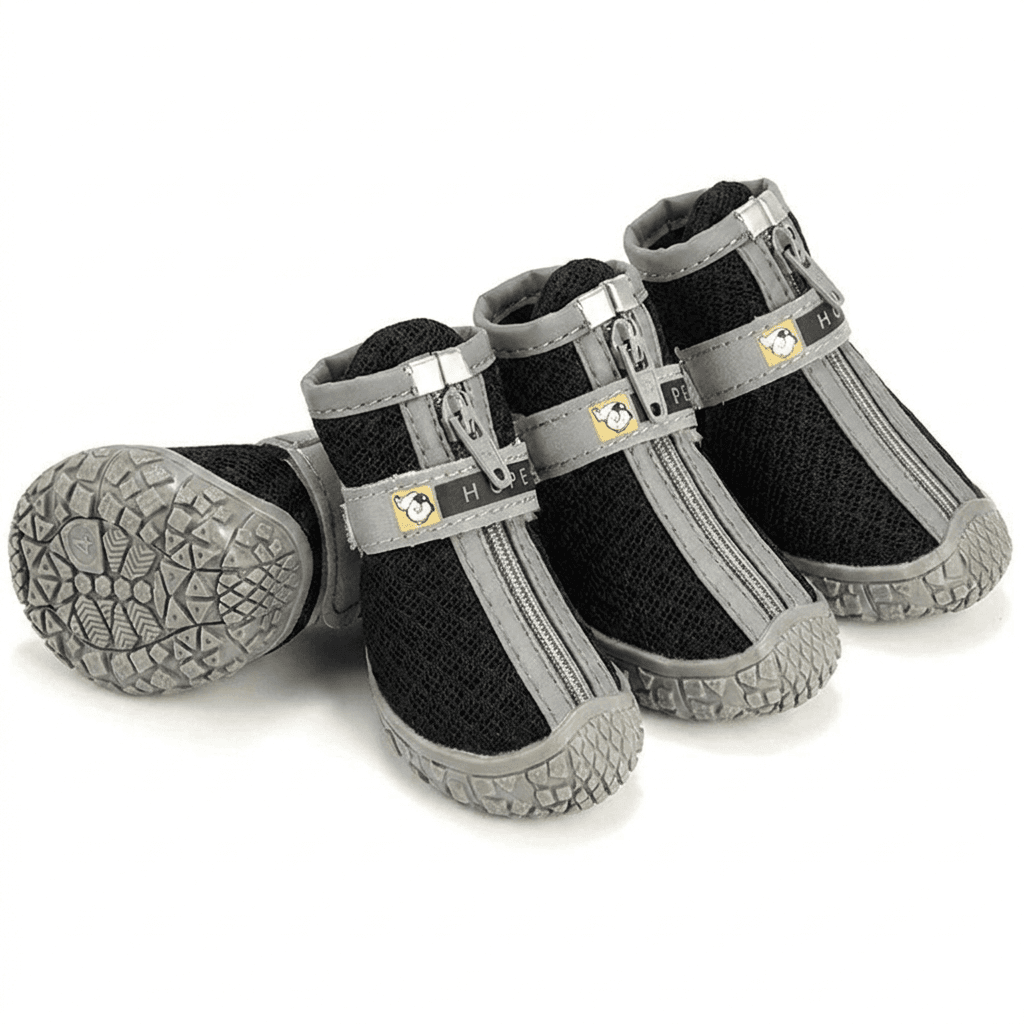
Our Dog Boots come as a set of four, with non-slip soles, a soft plush lining, and an adjustable strap to keep them on. They come in small, medium and large. The page does not list paw measurements, so if you are not sure which size to pick, email hello@nookipets-shop.com before you order.
Give your dog time to get used to the boots. Put them on indoors for a few minutes at a time, with treats, and go outside once your dog walks normally in them. Check the fit before each walk, and take off any boot that rubs or twists.
The short version
- Wash and dry paws, and the belly in winter, after every walk
- Check pads for cracks and between the toes for redness
- Keep a towel and a bowl of water by the door, and wipes for the car and light-mud days
- Paw protectant or boots for salted sidewalks
- Short walks at the hottest times of day in summer
- Antifreeze and ice melt out of reach, and the poison control number in your phone
Sources
About this piece. We sell some of the things mentioned here, and we have tried to be straight about when they are not the right choice. Health and safety points follow the sources above. They are general guidance, not veterinary advice about your pet: if something seems wrong, ask your vet.
Keep reading
More from the journal
Home5 min read
Litter all over the floor? How to set up a litter box area that stays tidy
Litter tracking is partly a housekeeping problem and partly a cat problem. Most of the fixes are small changes. A couple of the popular ones make a cat less likely to use the box at all.
Seasonal5 min read
Halloween with a dog or cat: costumes that fit, candy out of reach, and the doorbell
Three things are worth thinking about before Halloween: a costume that fits, candy kept out of reach, and a front door that keeps opening all evening. All three are easy to plan for.
Feeding6 min read
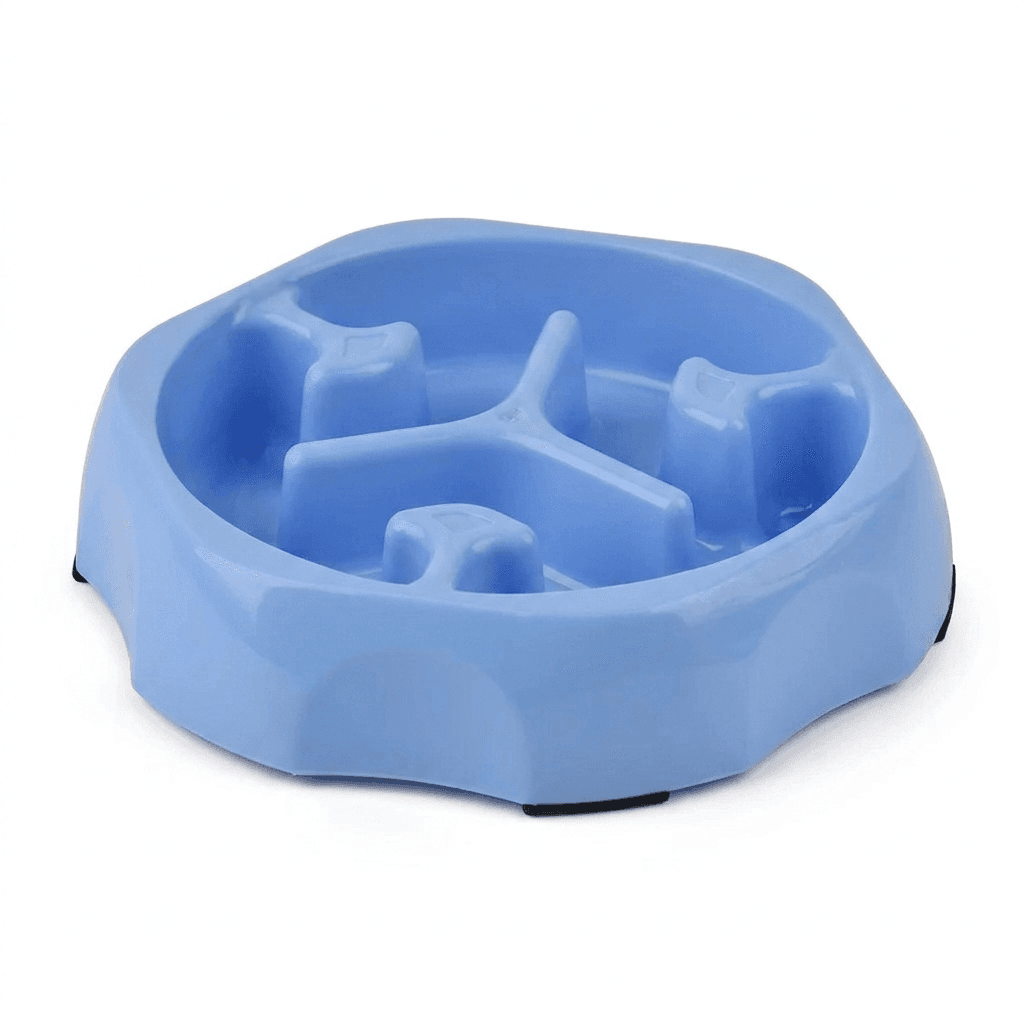
Dog eating too fast? What a slow feeder bowl does, and what it doesn't
Some dogs empty the bowl before you have straightened up. A slow feeder can slow the eating down. Neither Tufts nor ACVS says it prevents bloat, and it helps to know that before you buy one.